Kitchen Chef
Prepares meals, plans menus, manages the kitchen and supervises service staff and related work.
INR 2.95 lakh Enquire Now ↗
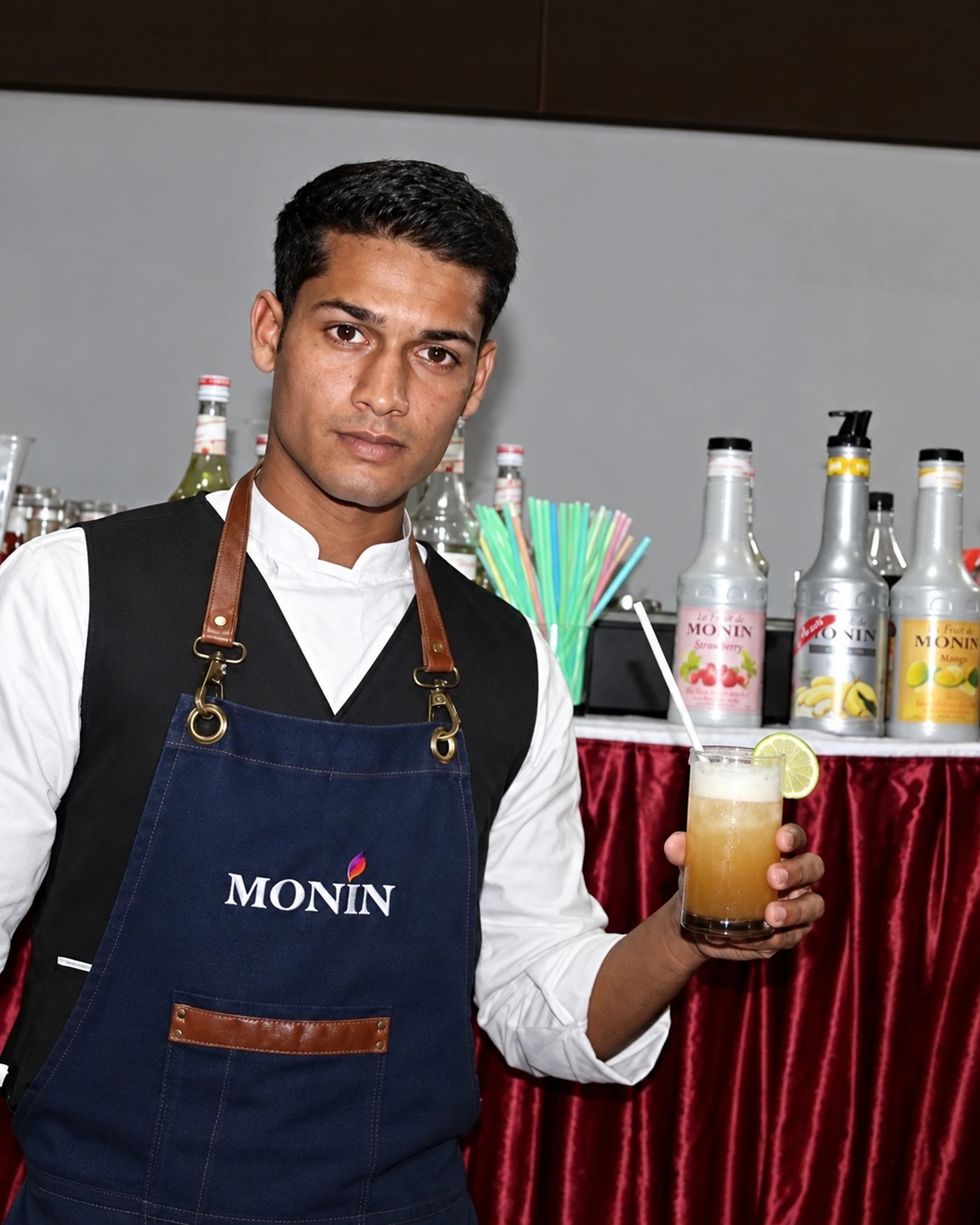
The original page introduces BHM as a four-year undergraduate route to a hotel management degree. It says both full-time and part-time options are offered by several universities in India. In addition to hotel management, students encounter related fields such as sales, marketing and public relations.
Applicants need to have passed 10+2 or an equivalent examination, although entry rules and required marks differ by institution. Selection can be based on an entrance test or merit. The page stresses interpersonal and communication skills, and lists kitchen, food and beverage, front office and housekeeping operations in the curriculum.
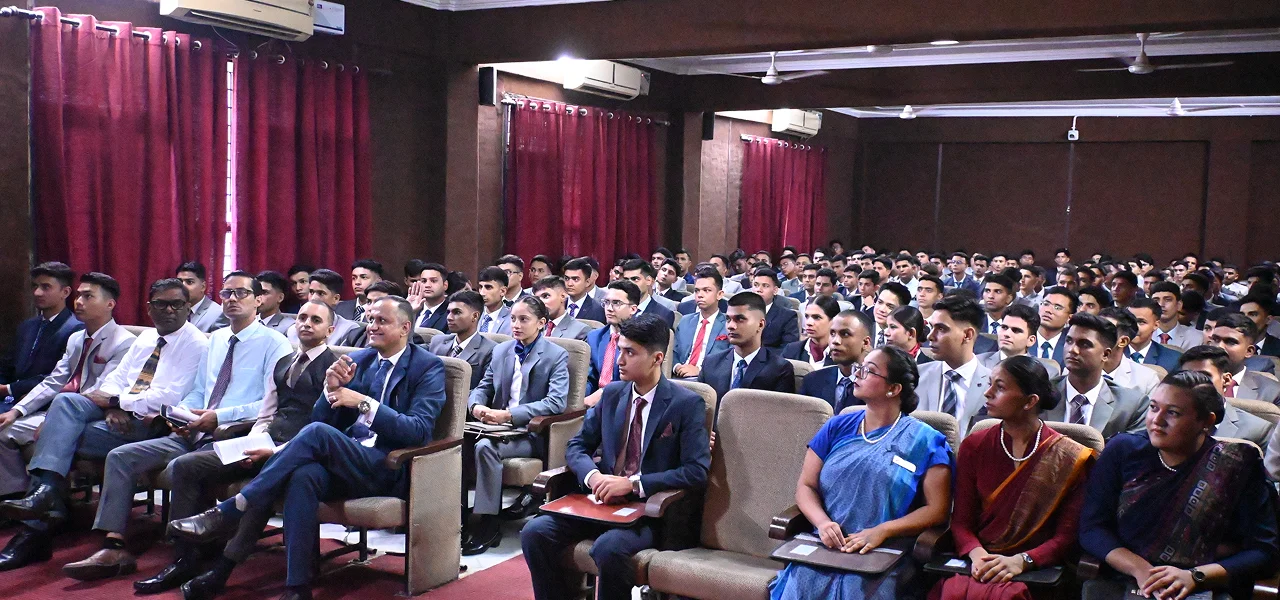
BHM is an undergraduate programme spanning hotel management and catering technology. In this section, the original page describes it as a three-year programme divided into eight semesters. It says graduates gain the knowledge to support hotel service departments and manage administrative work.
Projects and theory address different parts of hospitality.
Subjects include cooking techniques, food and beverage, hotel and facility management, events and tourism. Students also develop communication, negotiation and teamwork. The page gives a typical training cost range of INR 3.5 to 11.00 lakh.
The institute’s page says industry leaders have praised Kukreja Institute and describes a connected placement cell that helps students find training and work opportunities during and after the programme.
Industry professionals visit for guest lectures, panel discussions and workshops, including flower arranging and wine tasting.
Students also visit well-known hotels and tourist destinations to connect classroom theory with business practice. The source presents these activities as reasons to choose its BHM course.
The programme is aimed at people seeking a hospitality career. The original page names chef, receptionist, hotel manager, service, housekeeping and bartender roles among the possibilities, along with other openings.
Students who have completed class 12 may apply. The page describes opportunities to work in hotels, tourism management companies, resorts and guest houses, with scope to build a career in different fields and earn a respectable salary.
| Program Name | Duration | Approval Body | Affiliating Body | Eligibility |
|---|---|---|---|---|
| Bachelor of Hotel Management (BHM) | 4 years | — | Sri Dev Suman Uttarakhand University | 12th pass with English in class XII |
Hotel departments offer BHM graduates many kinds of work. The page notes that graduates often start with training or internships before moving into jobs that suit their abilities and interests.
Hospitality and tourism employers, particularly hotel chains and travel businesses, offer further opportunities. The published page gives a typical annual income range of INR 3–6 lakh after the course and mentions scope for promotion with experience.
It also lists these roles, responsibilities and indicative annual pay figures:
Prepares meals, plans menus, manages the kitchen and supervises service staff and related work.
INR 2.95 lakhMonitors staff performance and makes decisions under the organisation’s policies.
INR 3.06 lakhOversees the company’s accounting activities.
INR 7.16 lakhPlans and manages short- and long-term hotel operations.
INR 4.75 lakhThe published page states that the institute is associated with the National Council for Hotel Management and Catering Technology under India’s Ministry of Tourism and claims the best and largest infrastructure among private hotel management institutions. It reports 95% placement each year, largely in five-star hotels including Taj, Oberoi and Leela.
It describes a goal of developing hospitality leaders through a balance of theory and experience, individual learning and faculty guidance. The stated aim is to prepare students for immediate employment and later leadership, with a foundation for continued learning.
The original page links growth in hotel management education and career opportunities to expansion of hospitality, urbanisation and rising industry revenue.
It says practical study attracts students, who may go on to top hotels and companies or a range of administrative jobs.
The page gives a figure of 790 hotel management colleges in India, comprising 615 private and 175 public institutions. It connects Kukreja’s standing to discipline, social responsibility and community service.
It also points to employment opportunities and choice of specialisation, noting that a hotel management diploma or degree can lead to different streams of the profession.
Finally, it describes recognition of academic, cultural and extracurricular achievement, with leadership, teamwork, goal-setting and success encouraged among students.